

Virtual Nutrition Services
It’s not about willpower.
You have spent years worrying about your weight or feeling guilty whenever you eat something you’ve labeled “unhealthy.”
Or maybe you skip meals because you lose track of time and don’t notice you’re hungry until you are ravenous.
Perhaps meal planning feels like an impossible task, or certain textures and smells make foods difficult to eat.
If you’ve been told to try harder, eat less, or stop being so picky, you have started to believe that you’re the problem. But what if the approach you have been given simply doesn’t fit the way you experience food, your body, and the world?
When it comes to disordered eating and eating disorders, we work with anyone experiencing distress, shame, or guilt around food. Whether you have a formal diagnosis, suspect you might meet criteria, or simply feel that your current relationship with food isn't working and want supportive guidance to change - you are welcome here.
Nutrition that works with your brain and your body.
Weight is not the primary indicator of your health or your worth.
We operate from a Health at Every Size (HAES®) framework and utilize a weight-neutral approach. Because we believe that a sustainable foundation of health behaviors has the most significant impact on overall wellness, we do not provide weight-loss counseling support.
In our work together, your weight and weight history will be treated as one small piece of your story rather than the primary indicator of your health or worth.
Practicing from a weight-neutral foundation does not mean we ignore the impact of food choices or movement on your health. It simply means that we acknowledge you are an entire human with varying experiences, preferences, and needs.
We understand that weight and body changes are deeply intimate, and they deserve to be treated with the utmost care and gentleness.
Meet Emily
Emily Fitch, MS, RD/RDN
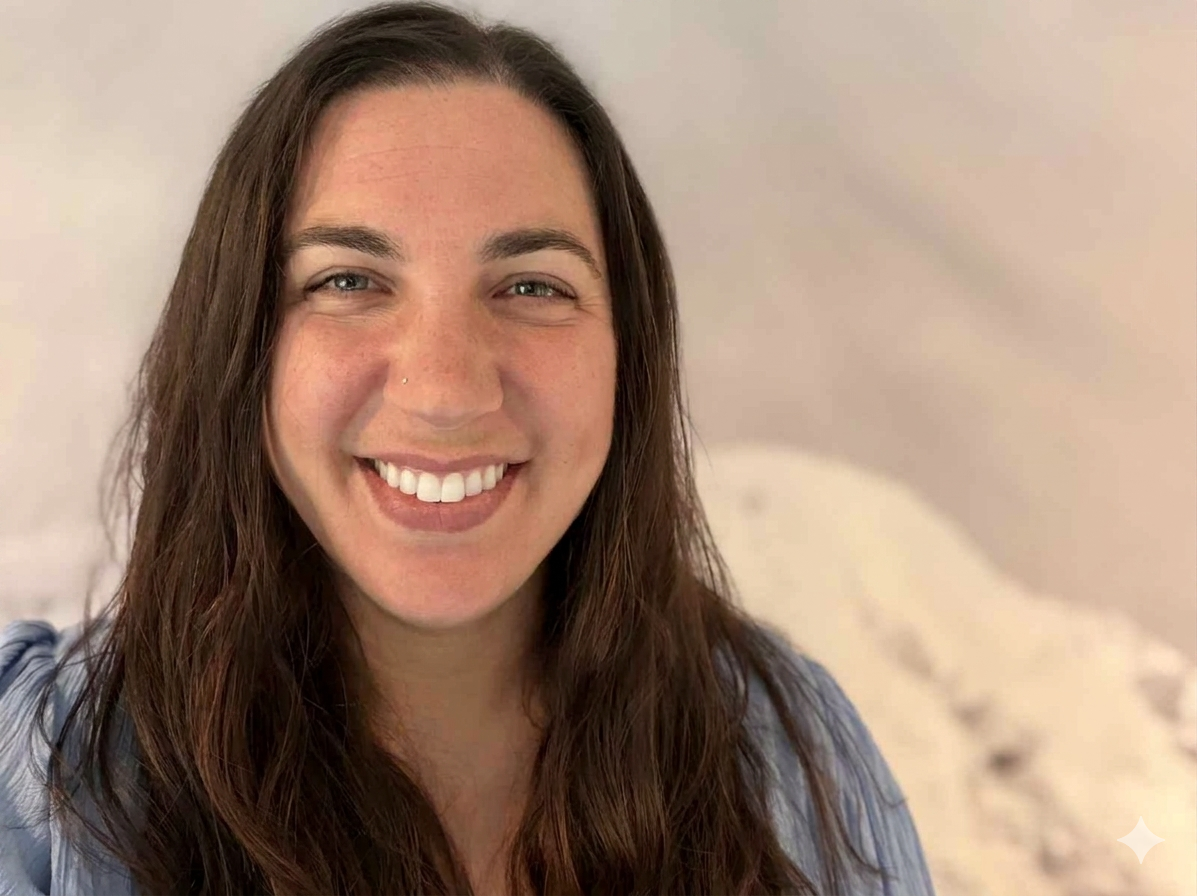
I am a Registered Dietitian with over a decade of clinical practice and supervision experience specializing in the field of disordered eating.
Throughout my career, I have provided compassionate and dedicated nutrition therapy across all levels of care including residential, partial hospitalization (PHP), intensive outpatient (IOP), and outpatient practice. I have also worked within hospitals and school districts, giving me a broad depth of knowledge and a diverse perspective.
I provide virtual nutrition services in many states including Colorado and Washington.
Emily is also Greenlake Psychology’s practice manager! Read more about her here.

Areas of Support
-
Compassionate and evidence-based care for individuals navigating binge eating (BED), anorexia (AN), bulimia (BN), other specified feeding and eating disorders (OSFED), and avoidant/restrictive food intake disorder (ARFID). We will foster a safe space to navigate your challenges regardless of a formal diagnosis.
-
Children, adolescents, and adults who experience a limited food repertoire or anxiety around food/eating experiences. We’ll work together at a pace that feels right for you to expand your comfort zone.
-
Affirming and specialized care tailored to neurodivergent individuals (ADHD, autism, sensory processing disorder, and more). Your brain and body may need unique routines or strategies - we’ll get as creative as we need.
-
Different health conditions need differing nutritional approaches. We’ll focus on sustainable ways to support your health and nutrition from a weight-neutral lens.
I frequently work with people with the following conditions: prediabetes, diabetes, gestational diabetes, pregnancy and lactation, high cholesterol, high blood pressure, PCOS/PMOS, and more.
I work with these diagnoses in the context of moving toward and maintaining a healthy relationship with food.
-
Let’s chat! Whether you’d like to talk through a complex case, or you’re new to treating disordered eating and you’d like ongoing guidance, I’m here to support.

Frequently Asked Questions
-
A weight-neutral approach means that our focus will be on health behaviors like regular nourishment, body attunement, and joyful movement.
Weight itself is not a behavior, but can be influenced by these behaviors. We will look at your weight history in context of your life experiences and health needs, rather than a scorecard.
It does not mean we aren’t able to talk about weight - it simply means that our targets will be behaviorally focused, rather than a number on a scale.
-
HAES stands for Health At Every Size, a framework trademarked by ASDAH.
HAES does not mean everyone is automatically healthy at any size; rather, it asserts that people of all sizes can pursue health and well-being if they choose to do so.
It emphasizes that all bodies have the right to seek out health, regardless of size, without bias. HAES is an extremely effective, evidence-based approach to health.
-
Yes, let’s explore this! While I do not provide weight loss counseling, most of us have desired (deeply) at times to lose weight for many reasons. Maybe you’ve been told to lose weight to manage a health condition, or you believe it will improve your body image. Maybe you’ve experienced harm like weight stigma or bullying. A desire to lose weight is often an ‘umbrella’ for deeper challenges that we can absolutely discuss in session.
Weight loss is an intervention with a poor long-term success rate, and often leads to increased distress around your relationship with food and your body and reduced quality of life. We can look at more effective and compassionate strategies for managing your health and lifestyle.
-
Well…not typically. It’s not my favorite intervention.
However, there are some people who do benefit from a plan for their meals and snacks. Sometimes a meal plan is appropriate in early recovery from an eating disorder when food choices still feel overwhelming. Sometimes food choices can feel overwhelming or overstimulating in the context of neurodivergence, and it may feel easier to have a preconceived plan.
Most often meal plans are a temporary tool while we work together to figure out a more flexible approach to your unique food lifestyle.
-
Nope. As a dietitian, I do not provide diagnoses and my focus is on your lived experience. If there is something that is troubling you or feeling distressing about food, eating, or your body, we’ll work on it.
-
Neurodivergent brains just work differently than neurotypical brains. And, some of the common or mainstream nutritional recommendations may not align with the way your brain works, which can be incredibly frustrating. Executive functioning, sensory needs, dopamine-seeking, and interoceptive awareness are all topics I frequently navigate with neurodivergent clients.
-
Your first session is my opportunity to learn all about you! I’ll ask you a fair number of questions about your nutrition goals and routines, but I also need to know about your life to make effective and appropriate recommendations.
Are you a busy parent? Do you hate olives (because same!)? Do you have a consistent day-to-day routine or does it vary greatly? All of this information helps me get a clearer understanding of your story and your needs so we can collaborate as a team.
-
This depends entirely on your personal goals for our work together. Healing your relationship with food is a non-linear process, or maybe you need practical strategies to navigate the complexity of food choices.
Some clients need a few sessions and feel ready to stop or pause, and some clients work with dietitians for a year or longer to navigate the path to their goals.